Product description
2-Ethylhexanoic Acid
Synonyms: Butylethylacetic acid; 2-Butylbutanoic acid; Clobuzarit alpha-Ethylcaproic acid; 2-Ethylcaproic acid; 2-EHA; Ethylhexanoic acid; alpha-Ethylhexanoic acid; Ethylhexoic acid; 3-Heptanecarboxylic acid
Chemical formula: C8H16O2 Molecular Weight: 144.2114 g/mol CAS No.: 149-57-5
Specification
| Parameter | Specification |
|---|---|
| 2-Ethylhexanoic acid, w/% ≥ | 99.50 |
| Acid Value (mgKOH/g) ≥ | 387.0 |
| Density(20℃), kg/m3 | 905.0-910.0 |
| Water,w/% ≤ | 0.10 |
| Hazen Color Number (Pt-Co) ≤ | 10 |
Usage:
- As a Stabilizer in Lubricants: 2-Ethylhexanoic acid is widely used as a lubricant stabilizer for automotive and industrial equipment. It makes calcium, zinc, magnesium stearates to cut friction, corrosion and wear, and boost oil thermal resistance. It also goes into synthetic lubricants and hydraulic fluids for high-pressure, high-temperature service by improving surface smoothness and fluidity.
- In the Production of Plasticizers: It is a raw material for plasticizers like DEHP, which softens PVC. These plasticizers apply to flooring, cables, medical devices and consumer goods. The acid modifies polymer properties so materials tolerate mechanical load and temperature changes.
- As a Solvent and Catalyst in Chemical Manufacturing: It acts as solvent for paints, coatings and adhesives to dissolve resins and form even films, improving coating adhesion and weather resistance. It also catalyzes reactions, chelates metals and supports saponification for soaps and detergents, and produces certain metal salts.
- In the Manufacture of Pharmaceuticals and Personal Care Products: Its mild acidity and solubilizing power suit pharma and cosmetics. It dissolves active substances in creams and transdermal preparations to boost skin absorption. It adjusts formula pH, inhibits microbes, and stabilizes fragrance components for longer-lasting scent.
- In the Automotive and Aerospace Industries: In auto and aerospace fields, it is added to fuels and lubricants. It forms anti-knock additives to optimize combustion, raise power and fuel efficiency. For aerospace, it keeps lubricants and coolants stable under extreme speed and heat for jet engines and turbine blades.
- In Metal Surface Treatment: It is used in metalworking fluids for cutting, grinding and milling to lower friction, heat and tool wear. It also produces metal stearates as protective lubricating coatings to guard metal surfaces against corrosion.
Packing, Storage, Delivery:
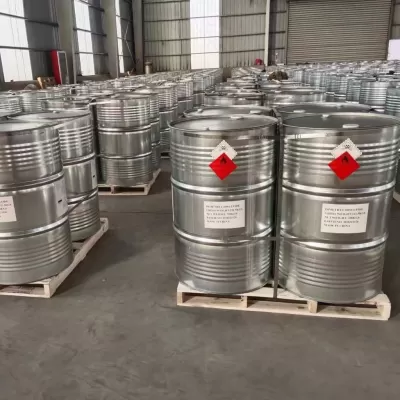
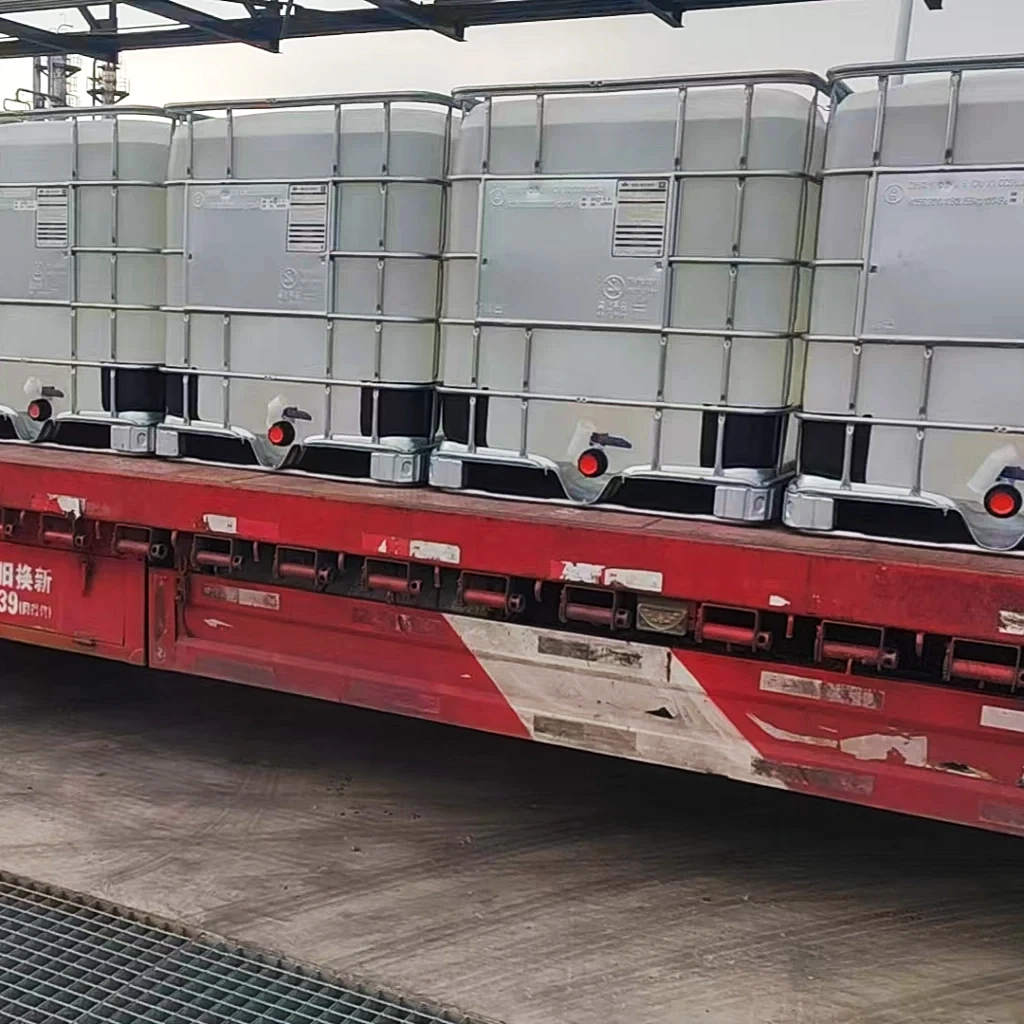
Store in a dry, cool and well ventilated area. Keep container closed. Store away from incompatibles. Follow safe warehousing practices regarding packaging, palletizing, banding, shrink wrapping and stacking.
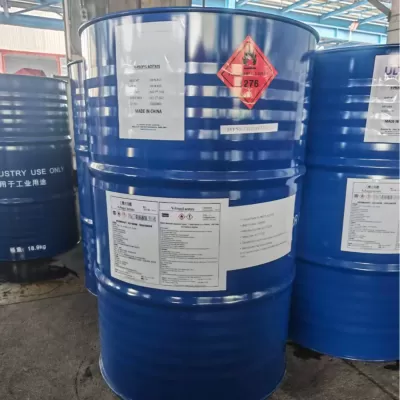
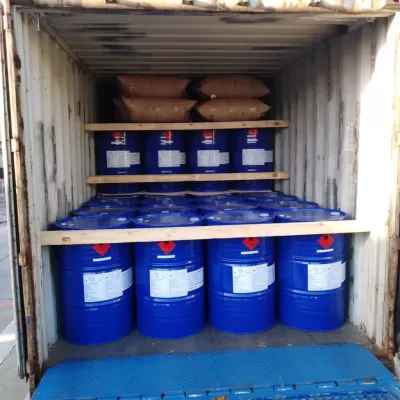
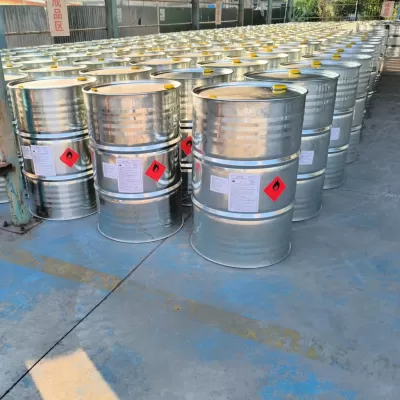
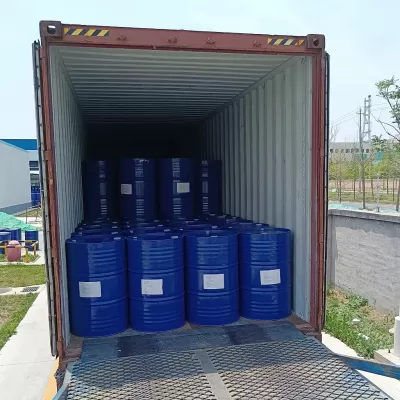
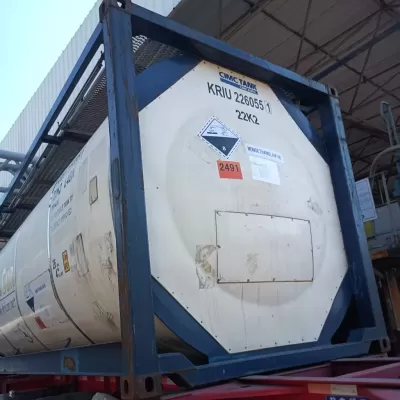
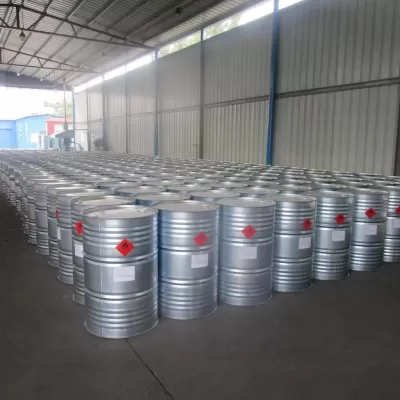
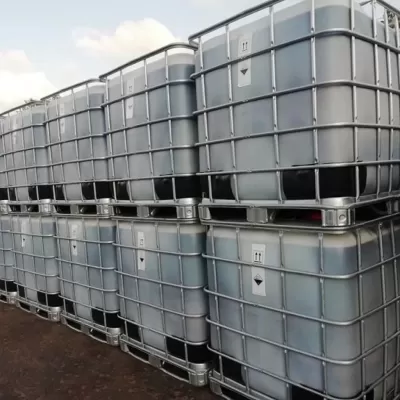
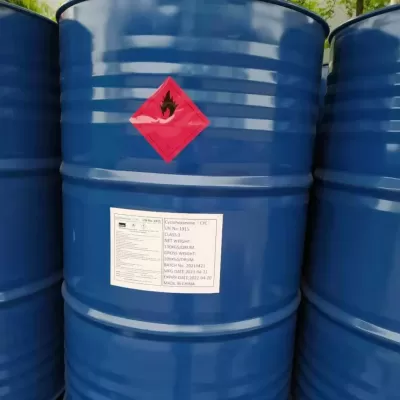
Packing: IBC and drum.